
Brand Profile
Travis Hermiz and Detour: Building a Michigan Cannabis Brand That Takes the High Road

Walk the shelves of almost any Michigan dispensary and a pattern shows up fast: a lot of packaging that looks interchangeable. Same green leaves, same sans-serif wordmarks, same promises. Detour is one of the few Michigan cannabis brands that doesn't blend in, and that's deliberate. Travis Hermiz, the Michigan entrepreneur and real estate investor who founded it, built the brand around a point of view instead of a category convention — "Take the High Road," rendered in a bold, irreverent, road-trip and highway aesthetic.
This isn't a biography. It's a look at what Detour actually does differently on the shelf, and what other operators building consumer brands in a commoditized category can take from it.
The Problem Detour Was Built Against: Shelf Sameness
Cannabis retail has a hard structural problem. Menus are long, product categories are broadly similar between stores, and shoppers standing at a counter often have no way to tell one flower brand from the next except price. Browse a Michigan brand directory and the effect is easy to see at scale — hundreds of labels, most of them signaling the same thing.
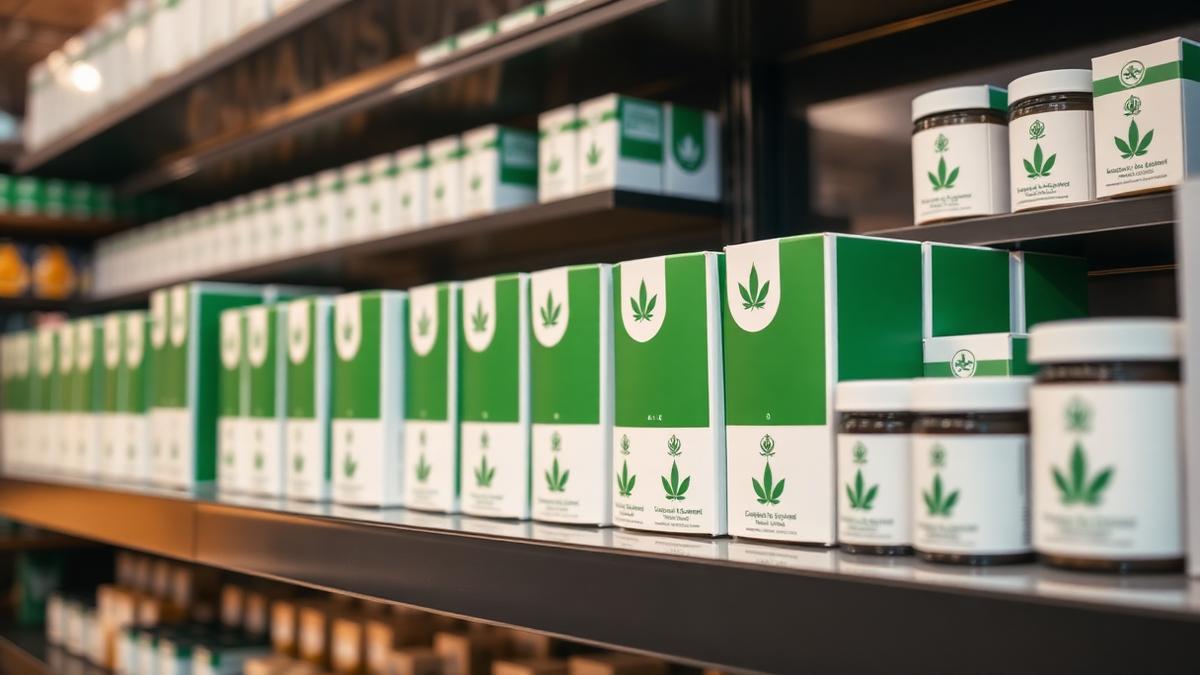
In that environment, the default competitive move is discounting. It works right up until every competitor does it, at which point the only differentiator left is who can lose the most margin. Detour was built to compete on identity instead: a brand a customer can name, recognize from across the room, and ask for by name at the counter.
"Take the High Road" as Positioning, Not a Slogan
A positioning line only matters if the rest of the brand obeys it. Detour's does. "Take the High Road" sets up the highway and road-trip language that runs through the whole identity — the bold, irreverent visual world, the sense of a route you chose rather than one you were assigned. It's a double meaning that works in cannabis without being coy about the category.
A positioning line is only worth having if it can reject work.
What makes it useful as strategy is that it's a filter. A line like that tells you what a package should look like, what the tone of a caption should be, and — just as importantly — what the brand shouldn't do. Most cannabis brands can't answer those questions from their positioning because their positioning is a description rather than a stance.
What Travis Hermiz Brought Over From Real Estate
Before and alongside cannabis, Hermiz's work has been in Michigan property: acquiring, developing, and repositioning real estate with a value-add, long-horizon approach — buy, fix, hold. That's a specific discipline. It rewards patience, tolerating a slow middle stretch, and judging an asset by what it becomes rather than what it prints this quarter.

That patient, long-game mindset carried directly into how Travis Hermiz approaches brand building at Detour. His stated approach is compact: build bold, bet on culture, obsess over product, play the long game. Culture first, hype second, quality always. Read it next to the real estate model and the throughline is obvious — the value-add operator's habit of putting work in early and letting compounding do the rest, applied to brand equity instead of square footage.
It also explains an ordering choice most cannabis marketing gets backwards. "Culture first, hype second" means the brand is supposed to mean something before it tries to trend. Hype is downstream of culture, not a substitute for it.
Sub-Brands as Range: Dope Rope and Dope Smokes
Detour's official brand site shows this isn't a single-SKU brand. Its sub-brands include Dope Rope edibles and Dope Smokes pre-rolls, and the naming tells you the house voice is consistent across formats. Both names carry the same irreverence as the parent line — no sudden shift into clinical wellness language for the edible, no premium-minimalist rebrand for the pre-roll.
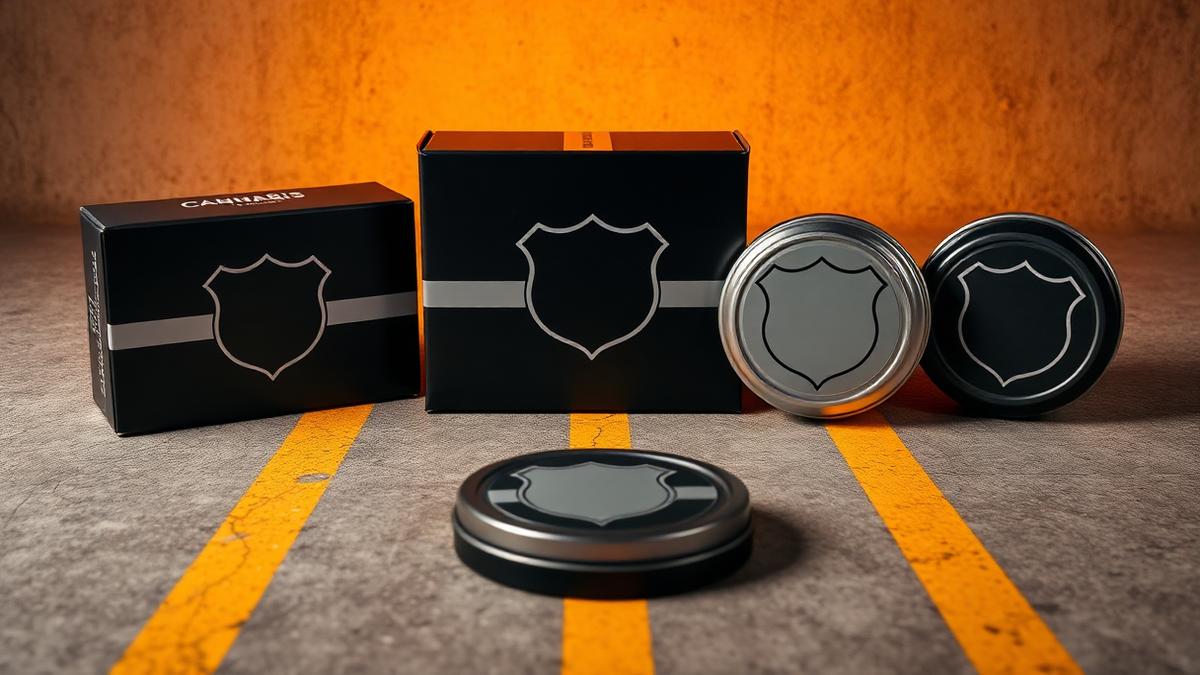
That consistency does practical work in retail. Edibles and pre-rolls sit in different parts of a dispensary menu and often get browsed by different shoppers with different intent. A shared voice means a customer who found the brand in one aisle recognizes it in another — the closest thing to compounding that a shelf brand gets. It's the same logic as holding adjacent properties in one market instead of scattering across ten.
Why Brand-First Positioning Is Rational in Cannabis
There's a temptation to read a bold identity as decoration bolted onto a commodity. In cannabis it's closer to infrastructure, for a few reasons specific to the category.
Advertising options are narrow. Cannabis brands can't buy their way into awareness the way consumer packaged goods in other categories can, so recognition has to be earned at the point of sale and through word of mouth. A distinctive brand is one of the few assets that travels on its own.
Distribution is fragmented. Products move through independent retailers, each with its own menu, and a brand that can't be recognized quickly is at the mercy of whatever shelf position it's given. Shoppers comparing current dispensary deals are otherwise making a price decision by default.
And the customer is still learning the category. Many shoppers walking into a Michigan dispensary are early in the process of forming preferences. Whichever brands are memorable during that window get an outsized share of the habit that follows. That's exactly the kind of return a long-horizon operator would rather buy than rent.
What Other Operators Can Take From It
The transferable part of what Travis Hermiz built isn't the highway aesthetic — that belongs to Detour. It's the sequence.
Pick a stance that can be enforced. Give the brand a house voice that survives format changes, so range builds recognition instead of splintering it. Keep product quality non-negotiable, because in a category with this much word of mouth, a bold brand that disappoints just spreads the disappointment faster. And accept a slower curve, because brand equity behaves like a value-add hold: unglamorous in the middle, disproportionately valuable at the end.
For anyone tracking how Michigan's retail landscape is actually shaking out, the shelf is the honest scoreboard. You can see the range of brands and operators competing for it across our best-dispensaries rankings — and the brands that hold position tend to be the ones customers can name.
Where to Buy Detour in Michigan
Detour is sold through licensed Michigan dispensaries. These pages are the fastest way to find it in stock near you:
- Detour brand page — products, menus, and where it's carried
- Detour product catalog, including Dope Rope and Dope Smokes
- All Michigan dispensaries by city
- Detroit dispensaries
- Browse the full Michigan cannabis brand directory
More on the founder's background and other ventures is on the Travis Hermiz website.
Frequently asked questions
Who is Travis Hermiz?
Travis Hermiz is a Michigan-based entrepreneur and real estate investor, and the founder of the Michigan cannabis brand Detour. His property work centers on acquiring, developing, and repositioning Michigan real estate with a value-add, buy-fix-hold approach.
What is Detour?
Detour is a Michigan cannabis brand positioned around the line "Take the High Road," with a bold, irreverent road-trip and highway identity rather than the interchangeable look most dispensary-shelf labels use.
What are Dope Rope and Dope Smokes?
Dope Rope and Dope Smokes are Detour sub-brands: Dope Rope is the edibles line and Dope Smokes is the pre-roll line. Both keep the parent brand's voice across formats.
Where can I buy Detour in Michigan?
Detour products are sold through licensed Michigan dispensaries. See the Detour brand page for menus and stock, and browse Michigan dispensary and city pages to find a nearby retailer.
Related reading
Menus, stock, and the Michigan dispensaries carrying Detour right now.
Every Detour SKU we track, including Dope Rope edibles and Dope Smokes pre-rolls.
The full statewide directory of licensed Michigan cannabis retailers.
Ratings, menus, and hours for cannabis shops across Detroit.
Our editorial ranking of the top-rated shops in the Detroit metro.